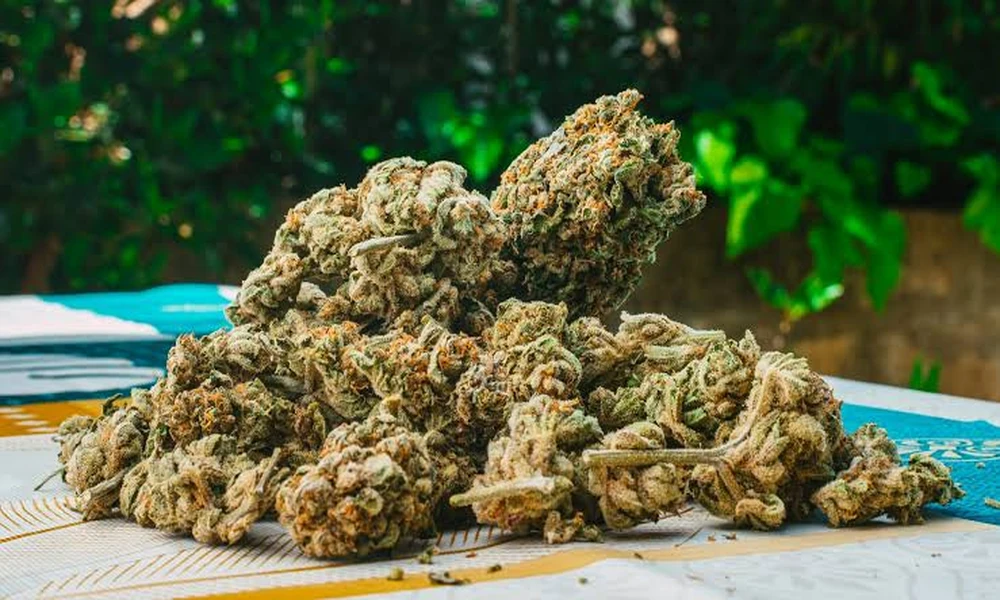
Packaging affects THCA flower freshness retention by controlling oxygen exposure, moisture levels, light penetration, and temperature stability. This is from production through delivery to the end buyer. Container type, seal quality, and material composition determine how long a flower maintains its potency, aroma, and structural integrity after harvest and curing. Consumers who want to buy the best thca flower in peak condition should evaluate packaging specifications alongside laboratory results before selecting a supplier for any order. Flowers stored in inadequate packaging deteriorate faster regardless of cultivation quality. This makes container choice one of the most consequential decisions in preserving freshness across the full supply chain from grower to buyer over any storage period.
Oxygen moisture control
Oxygen exposure degrades terpenes and cannabinoids by accelerating oxidation. This reduces aroma intensity and THCA concentration over time from packaging. Moisture imbalance compounds this damage, as excess humidity promotes microbial growth while insufficient humidity causes trichomes to dry and fracture. This releases volatile aromatic compounds that determine potency and scent quality. Quality packaging maintains an internal environment that limits oxygen exchange and humidity fluctuation throughout storage and transit. This is without refrigeration or specialised handling at any distribution point.
Container material comparison
Glass and rigid food-grade plastics provide the most reliable barrier against oxygen and moisture transmission across extended storage periods beyond initial packaging. Mylar barrier bags offer a lightweight alternative with strong oxygen resistance when heat-sealed correctly at the point of production by the supplier.
Thin polythene bags and standard zip-lock pouches allow significant gas exchange over time, making them unsuitable for storage beyond immediate use, regardless of how well the flower itself was cultivated and cured before packaging.
- Glass jars with airtight lids: minimal oxygen transmission, UV-protective amber or opaque options available for additional light protection
- Mylar barrier bags: strong oxygen resistance, lightweight, suitable for sealed single-use portions with heat-sealed closures applied at production
- Rigid food-grade plastic: acceptable short-term barrier, less effective than glass over storage periods exceeding two weeks from initial sealing
- Standard zip-lock pouches: high gas permeability, unsuitable for freshness retention beyond a few days of opening under any storage condition
Light heat exposure
Ultraviolet light degrades cannabinoids by breaking molecular bonds within THCA. This accelerates potency loss over time, even through transparent container walls exposed to ambient light sources. Heat above 25 degrees Celsius softens trichomes, causes terpene volatilisation, and compromises bud structural integrity. This cannot be reversed after the initial exposure has occurred. Opaque or UV-filtering packaging materials protect against light degradation, while storage away from heat sources maintains the temperature stability required to preserve flower quality between purchase and consumption.
Seal integrity standards
An airtight seal is the single most critical packaging feature for freshness retention across all container types and material categories used in flower storage. A compromised seal allows continuous oxygen ingress that degrades the internal environment regardless of how well the container material itself performs over the same period of storage. Quality suppliers use heat-sealed or vacuum-sealed closures rather than friction-fit lids or resealable strips that lose integrity progressively after repeated opening and closing during normal storage conditions at home or in distribution.
Packaging quality determines how much of the flower’s original potency and aroma survives the period between harvest and consumption by the end buyer. Oxygen control, material selection, light protection, and seal integrity each contribute directly to whether the flower arrives and remains in a condition consistent with its laboratory results throughout the storage period.